Low Taper Fade Meme Haircut Trend 2026
- Alex John
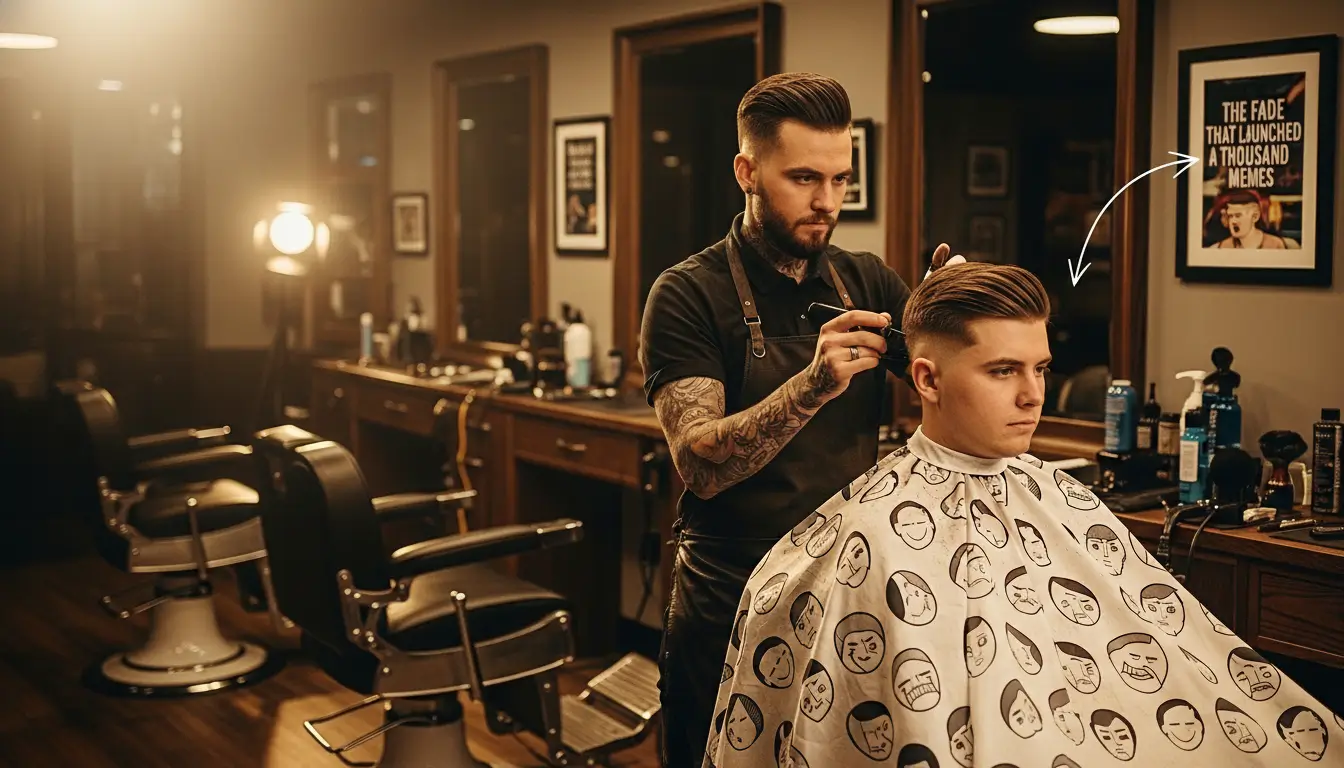
The low taper fade meme is a perfect example of how a simple haircut can turn into a full‑scale internet phenomenon. What began as a clean, professional barber style slowly transformed into a recurring joke across TikTok, Twitter (X), and Instagram, blending grooming culture with online humor.
In recent years, this meme has gone beyond just laughs. It reflects confidence, glow‑ups, personality switches, and even ironic overconfidence — all tied to one subtle haircut. That cultural overlap is exactly why the low taper fade meme continues to resurface in different forms.
What Is a Low Taper Fade Meme?
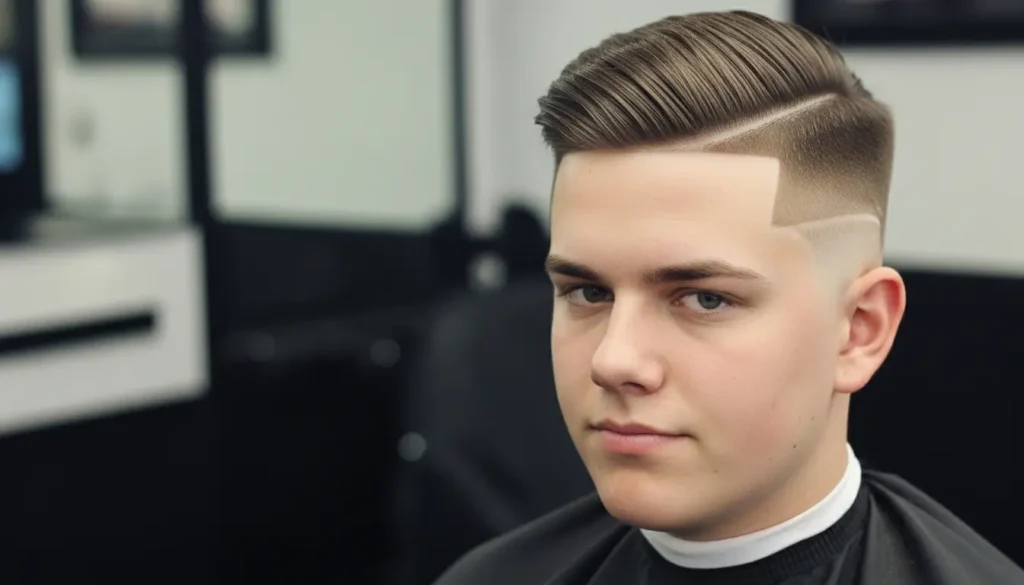
The low taper fade itself is a haircut where the hair gradually tapers down around the neckline and ears while keeping the top intact. The meme exaggerates the impact of this haircut, often portraying it as a life‑changing transformation.
In meme culture, the low taper fade is commonly associated with:
- Instant confidence boosts
- Dramatic before‑and‑after moments
- A “new personality unlocked” joke
- Barber magic is doing the impossible
This exaggeration is what makes the meme funny, relatable, and endlessly reusable.
How the Low Taper Fade Meme Started
The meme gained major attention after a viral Twitch and TikTok moment involving streamer Ninja and the phrase “Imagine if Ninja got a low taper fade.” The line quickly became remixable audio, sparking edits, reaction videos, and meme captions across platforms.
Once creators began pairing the phrase with images, videos, and ironic commentary, the meme evolved from a single joke into a reusable internet format. This adaptability played a major role in its longevity.
Why the Low Taper Fade Meme Went Viral
Several factors contributed to the meme’s rapid spread:
- The haircut itself is universally recognizable
- The joke works visually and textually
- It fits gaming, barber, and youth internet culture
- The meme exaggerates a real post‑haircut feeling
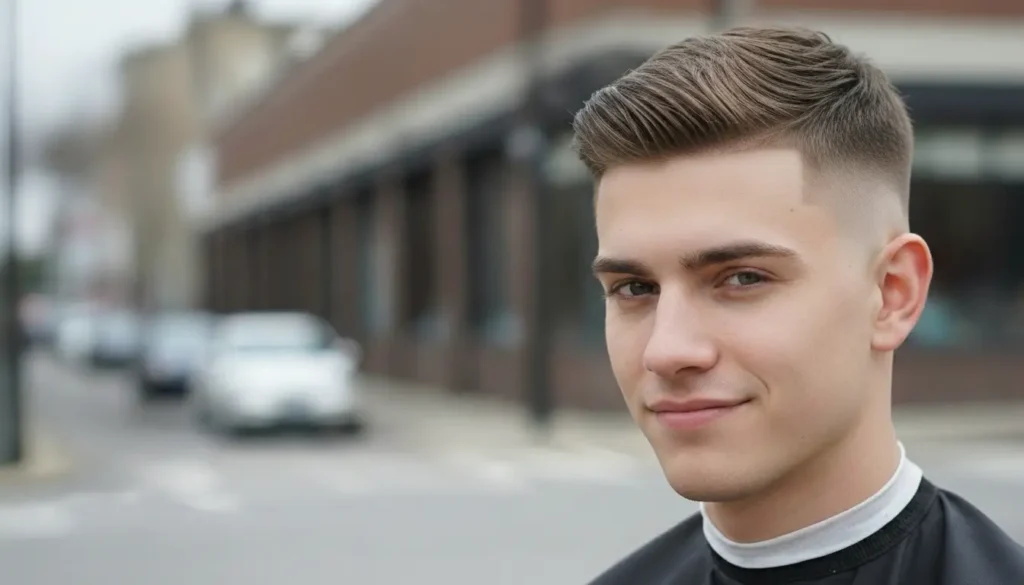
Because so many people can relate to feeling confident after a fresh cut, the humor feels personal rather than forced.
Low Taper Fade Meme on Social Media
TikTok
TikTok played the biggest role in popularizing the low taper fade meme because of its fast-paced, trend-driven algorithm. Short-form videos allowed creators to exaggerate confidence, posture, and personality shifts after getting a fresh low taper fade. Many users paired these clips with viral audio, making the meme easy to replicate and remix. The visual impact of haircut transformations performed exceptionally well on TikTok’s “For You” page.
As more creators joined the trend, the meme evolved into multiple formats, including reaction videos and ironic skits. This constant reinvention helped the low taper fade meme reach millions of viewers worldwide.
Twitter (X)
On Twitter (X), the low taper fade meme took a more ironic and text-driven form, relying heavily on short jokes and exaggerated statements. Users humorously claimed that a low taper fade could fix life problems, improve careers, or even repair relationships. The platform’s fast-moving timeline allowed these jokes to spread quickly through retweets and quote posts.
Many tweets leaned into sarcasm, using the meme as a punchline rather than a visual transformation. This ironic tone helped the meme appeal to older and more humor-savvy audiences. As a result, Twitter played a key role in keeping the low taper fade meme alive beyond its initial viral peak.
Instagram Reels
On Instagram Reels, the low taper fade meme thrived through visually striking content. Creators showcased clean barber shots, slow-motion hair reveals, and dramatic glow-up edits that highlighted the transformation. Short, witty captions complemented the videos, often leaning into meme humor or ironic commentary. This visual storytelling made the meme instantly engaging and shareable among followers.
Many influencers and barbers leveraged Reels to display styling skills while participating in the trend. The platform’s algorithm favored these polished, eye-catching posts, boosting reach and engagement. Consequently, Instagram helped solidify the meme as both a humorous and aesthetic cultural moment.
The Role of Ninja in the Meme’s Longevity
Ninja’s association with the phrase gave the meme mainstream visibility. Even when the trend slowed, people continued referencing it ironically, keeping it alive longer than most haircut‑based memes.
Because Ninja already represents gaming culture and internet fame, attaching his image to the joke made it instantly recognizable and shareable.
Popular Low Taper Fade Meme Formats
Over time, creators adapted the meme into multiple formats:
- “Still massive” jokes used long after the trend peaked
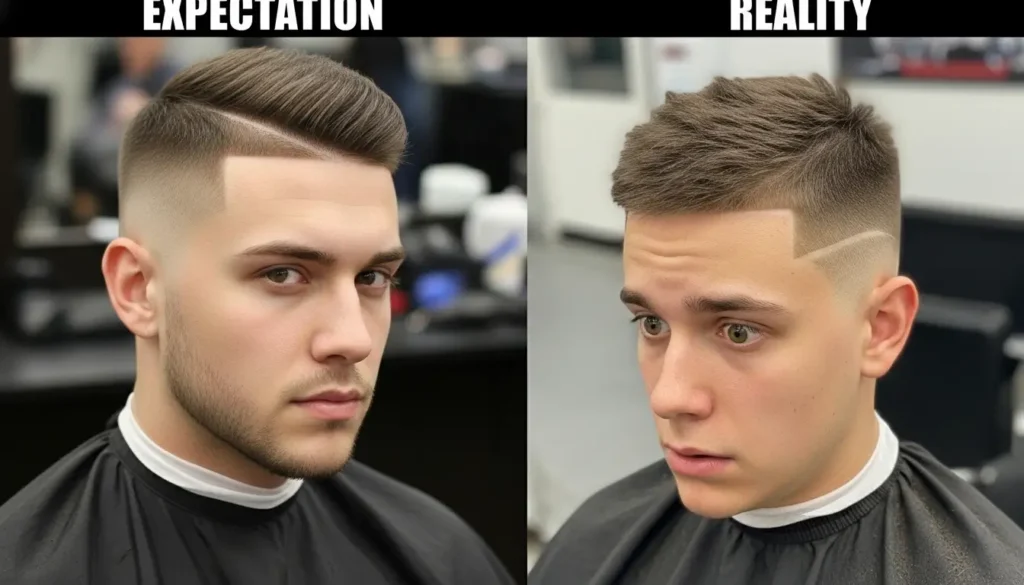
- Before‑and‑after glow‑up comparisons
- Photoshopped edits of celebrities with low tapers
- Cross-cultural memes combining anime, games, or cartoons
These variations allowed the meme to stay relevant even as trends shifted.
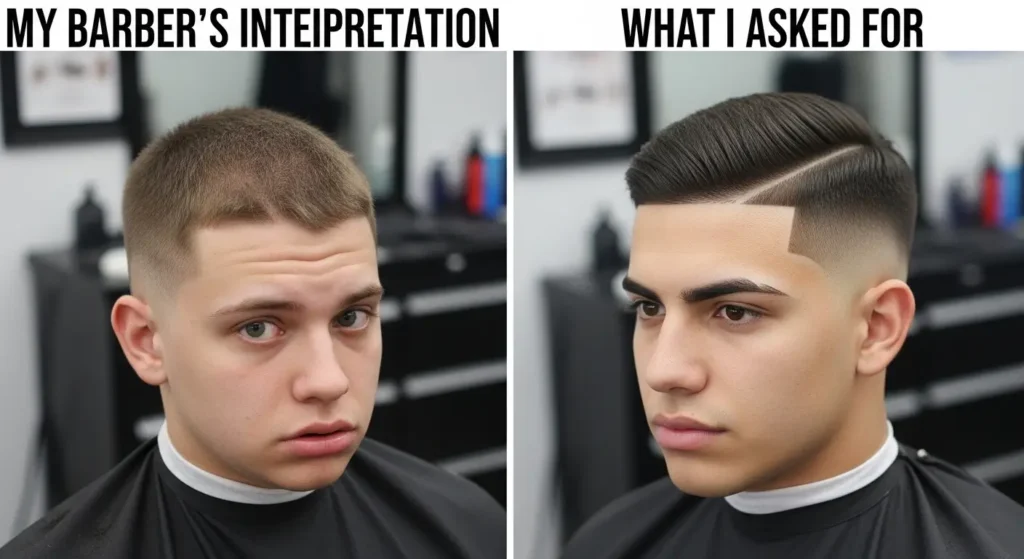
Why Barbers Benefit From the Low Taper Fade Meme
For barbers, the meme acts as free marketing. Viral haircut content attracts younger audiences and turns a simple style into shareable entertainment. Many barbers now intentionally film reactions, transformations, and humorous clips because meme‑friendly content performs better than traditional promotions.
The Lasting Impact of the Low Taper Fade Meme
Even though the low taper fade meme is no longer a daily trend, it continues to appear across social media in comments, throwback posts, and ironic jokes. Its staying power comes from how easily it can be adapted and reused in new contexts. The popularity of the haircut itself helps the meme remain recognizable and relevant. By combining humor, nostalgia, and visual appeal, the meme continues to evolve rather than fade away. It has become a cultural reference that resonates with both longtime fans and new audiences alike.
FAQs-Low Taper Fade Meme
The low taper fade meme is an internet trend that exaggerates the confidence and personality boost people feel after getting a low taper fade haircut. It combines grooming culture with humor, using videos, captions, and remixable phrases across social media platforms.
The meme gained popularity after a viral Twitch and TikTok moment involving the phrase “Imagine if Ninja got a low taper fade.” Content creators adapted the phrase into remixes, edits, and jokes, helping it spread rapidly across platforms.
Its popularity comes from relatability and simplicity. Many people recognize the confidence boost that comes with a fresh haircut, and the meme humorously exaggerates that experience in a way that feels natural and authentic.
While it is no longer at its peak, the meme remains relevant through ironic references, throwback jokes, and reused formats. Its flexibility allows it to resurface whenever haircut or grooming trends regain attention.
Yes, the meme provides organic exposure for barbers and content creators. It turns haircut transformations into shareable content, helping professionals attract younger audiences without relying heavily on paid promotion.
Conclusion
The low taper fade meme proves that internet culture doesn’t always rely on complexity. Sometimes, a clean haircut, a catchy phrase, and collective creativity are enough to create a long‑lasting trend. What makes this meme special is its balance between humor and reality — people genuinely feel better after a fresh cut, and the meme simply exaggerates that feeling in a way everyone understands. As grooming, social media, and meme culture continue to overlap, the low taper fade meme stands as a reminder that even the smallest style details can become cultural icons when the internet gets involved.
Share This Post :

Low Taper is a men’s grooming brand with trusted barbering expertise since 1997, specializing in clean tapers, modern fades, and classic hairstyles designed to elevate your look.
Latest Post
27 Wolf Cut Masculine Hairstyles for Men
28 Trendy Styles Haircuts for Teenage Guys
30 Retro1960s-Inspired Hairstyles to Recreate Now

45 Hair Bangs Hairstyles – Best Fringe Cuts for 2026
Get update about new hairstyle
Fames pretium posuere libero volutpat nulla id feugiat aptent.